

EICR Reports
An Electrical Installation Condition Report (EICR) is a crucial document assessing the safety of electrical installations in a property. Conducted by a qualified electrician, the report evaluates the condition of wiring, sockets, switches, and other electrical components.
It identifies potential hazards, wear and tear, and deviations from current regulations. EICRs are essential for landlords, businesses, and homeowners, ensuring compliance with safety standards and minimizing the risk of electrical fires or accidents.
Recommendations for necessary repairs or improvements are outlined, and periodic EICRs are advised to maintain safety. Regular EICR inspections contribute to a safer environment, protecting both people and property.

Electrical Upgrade of Properties
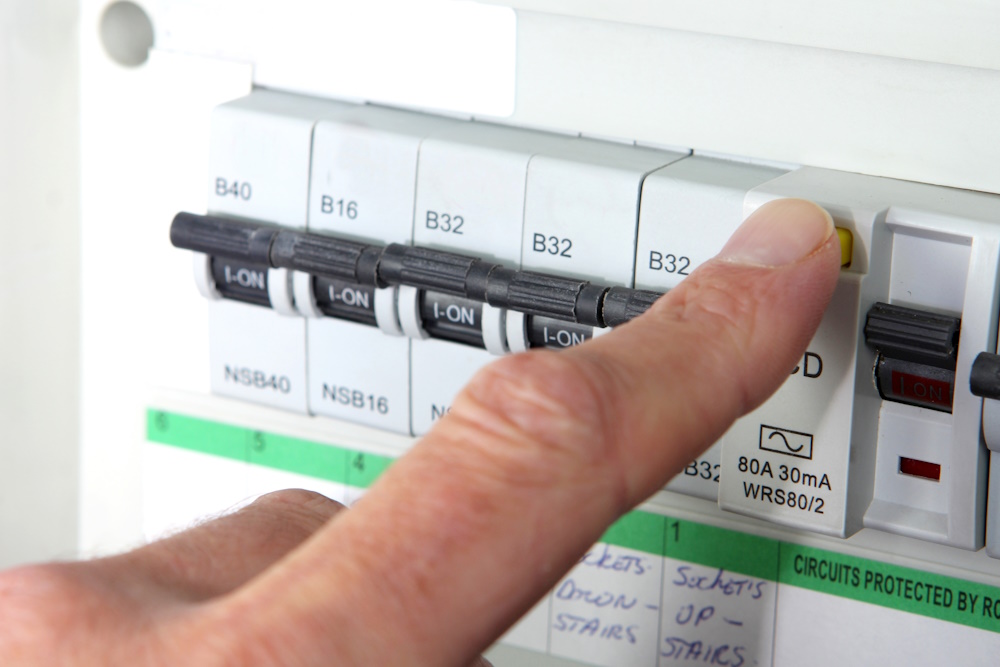
Electrical upgrades in properties involve enhancing or modernizing existing electrical systems to meet safety standards, accommodate increased power demands, or integrate smart technologies.
This process often includes replacing outdated wiring, upgrading electrical panels, and installing energy-efficient fixtures. Beyond improving safety and reliability, upgrades can facilitate the use of advanced appliances and technologies, boosting property value.
Skilled electricians assess the current infrastructure, identifying potential issues and recommending necessary enhancements. Upgrading also ensures compliance with evolving electrical codes, reducing the risk of electrical hazards.
Complete Rewiring of Properties
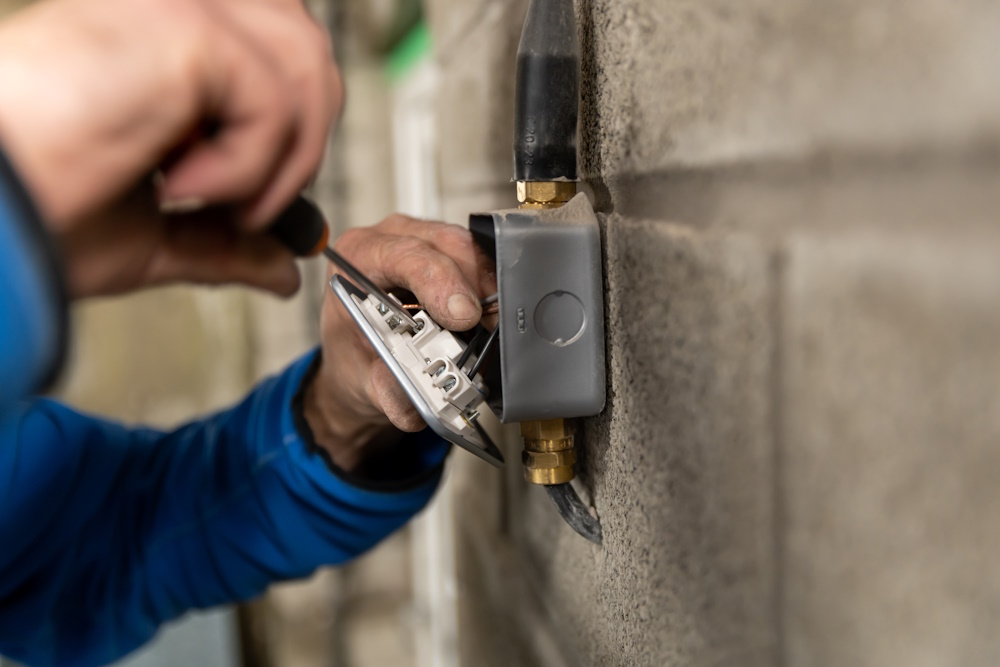
A complete rewiring of properties involves the replacement of all electrical wiring, fixtures, and components. This extensive process is undertaken to enhance safety, meet modern electrical standards, and accommodate increased energy demands.
Skilled electricians assess the existing infrastructure, identifying outdated or hazardous components. The rewiring process includes upgrading electrical panels, installing new outlets, and ensuring compliance with current building codes.
Beyond safety considerations, complete rewiring allows for the integration of smart home technologies, enhancing property value and functionality.
Emergency Lighting Installations
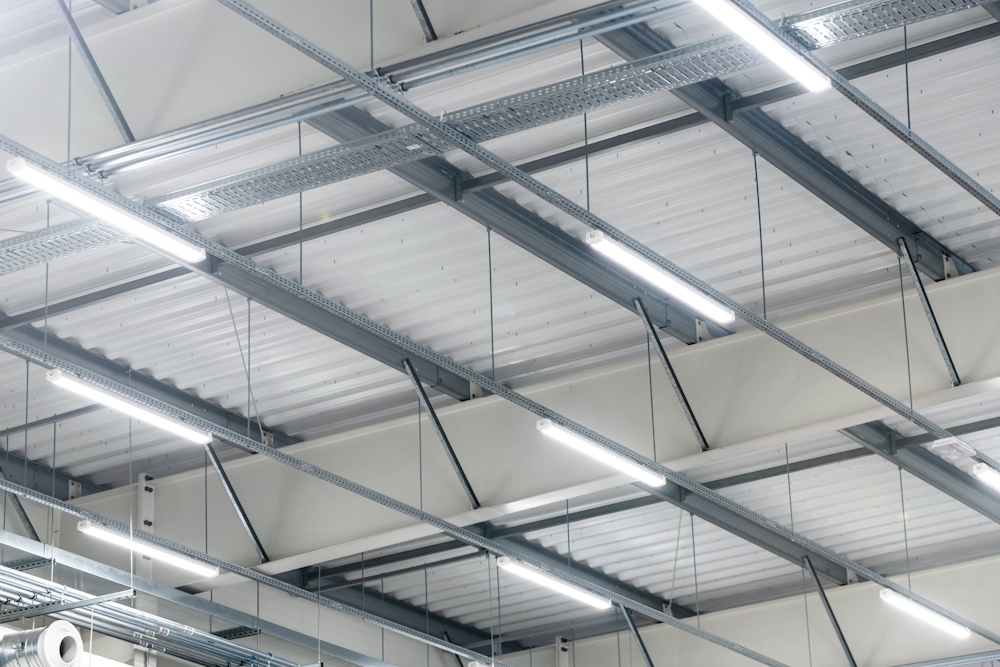
Emergency lighting installations are crucial for providing illumination during power outages or emergencies, ensuring a safe evacuation path.
These systems typically include battery-backed lights strategically placed in buildings, illuminating exit routes, stairwells, and critical areas. Designed to activate automatically in the event of a power failure, emergency lighting enhances occupant safety and facilitates orderly evacuation. Compliance with building codes and safety regulations mandates their installation in commercial and public spaces.
The systems are often tailored to specific needs, incorporating features like exit signs and illuminated escape routes. Regular testing and maintenance are essential to guarantee their reliability when needed most.
Electrical Vehicle Charging Points
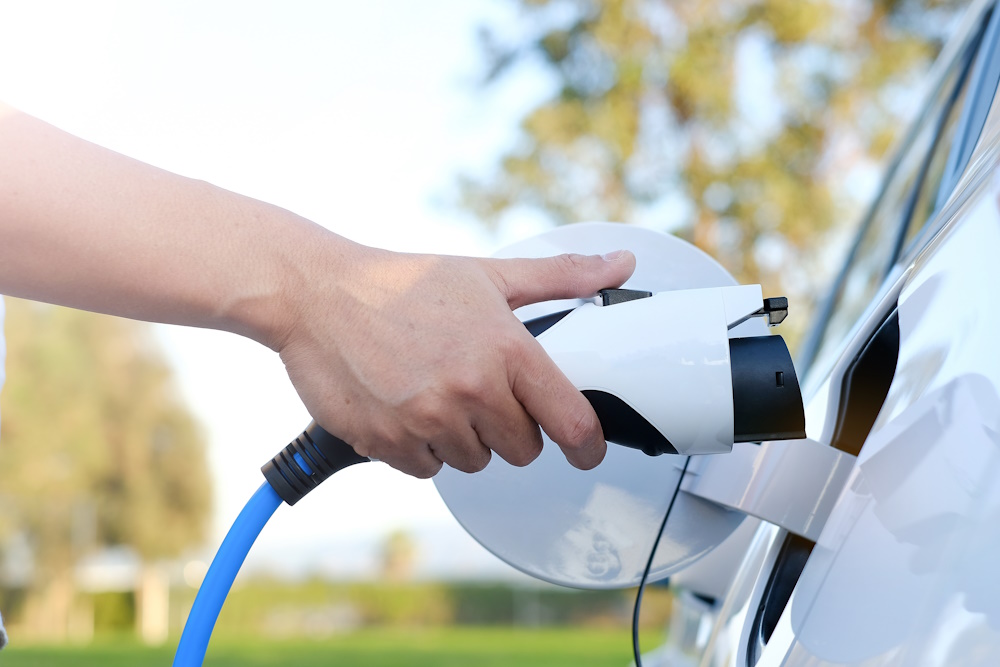
Electrical Vehicle (EV) Charging Points are indispensable infrastructure supporting the transition to sustainable transportation. These installations enable the convenient recharging of electric vehicles, fostering widespread adoption. Strategically placed in public areas, workplaces, and homes, EV charging points reduce range anxiety and promote eco-friendly commuting.
Rapid advancements in charging technology offer various options, from standard home chargers to fast-charging stations. Governments and businesses globally invest in expanding charging networks, emphasizing the commitment to a greener future.
The integration of smart features enhances user experience, allowing remote monitoring and efficient utilization. EV charging points play a pivotal role in shaping a cleaner, more sustainable automotive landscape.
Alterations & Additions to Existing Installations
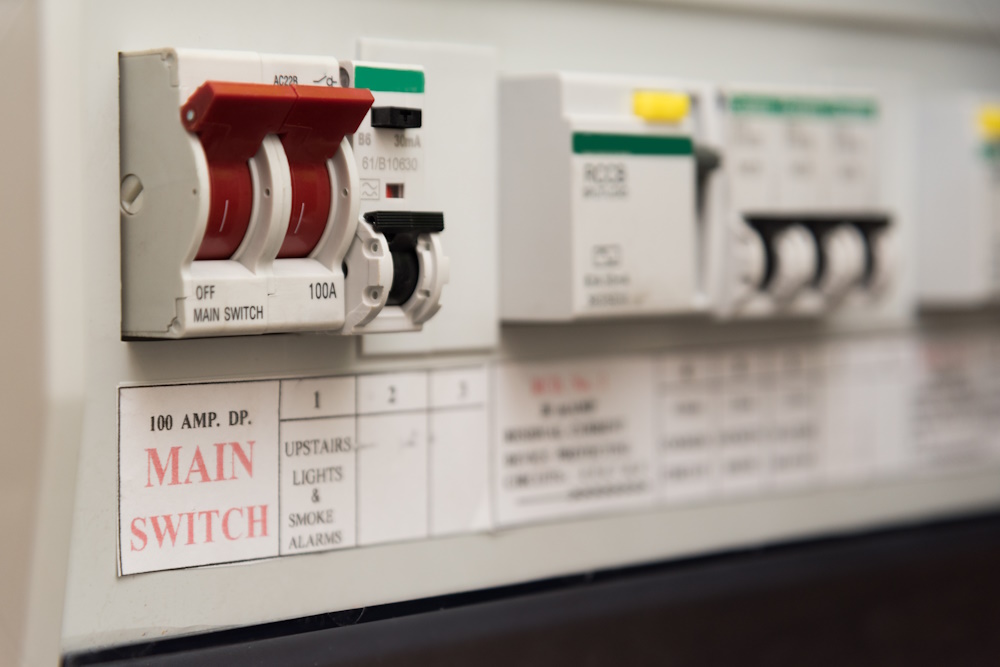
Additions to electrical systems involve integrating new components or expanding existing setups to accommodate increased demand. This process could include adding circuits, outlets, or incorporating advanced technologies.
Skilled electricians assess the system’s capacity, ensuring compliance with safety codes and regulations. Common additions include smart home features, additional lighting, or the installation of specialized equipment. Upgrading electrical panels may also be necessary to support the increased load.
Proper planning and adherence to safety standards are paramount during these additions to guarantee a reliable and efficient electrical infrastructure.